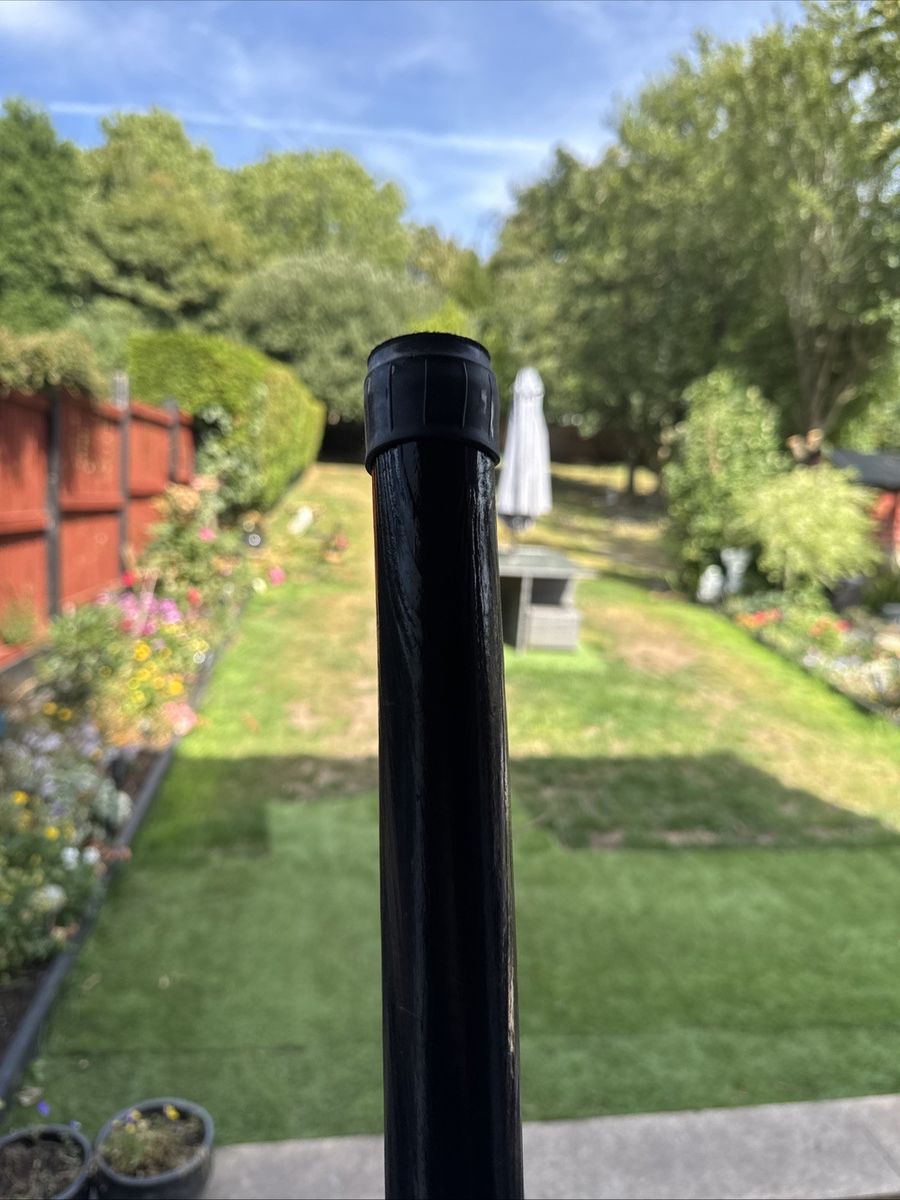
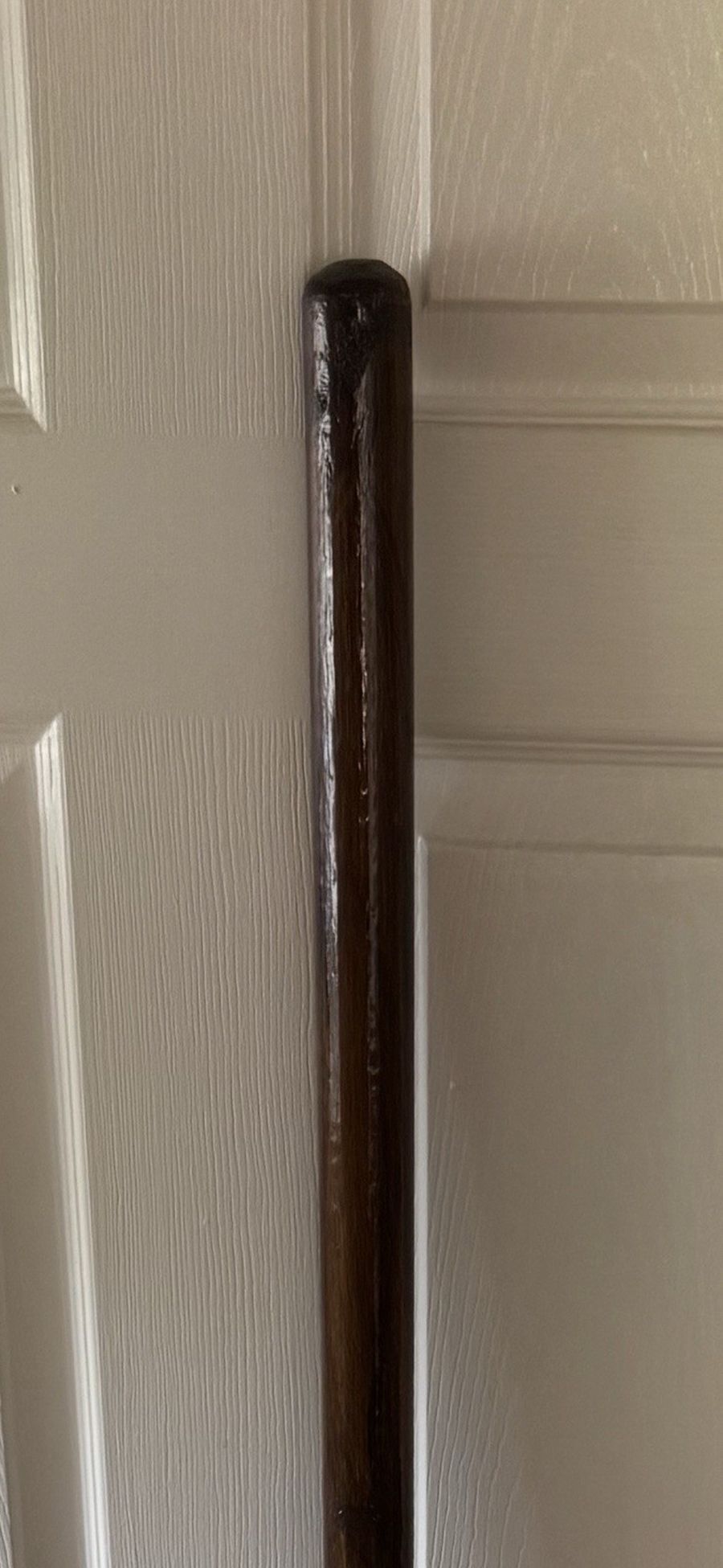
A solid timber pole for stretching, posture and balance — standing, sitting or lying down. No joints. No plastic. No telescopic bits to rattle or seize. Made one at a time in Stockport.
The pole
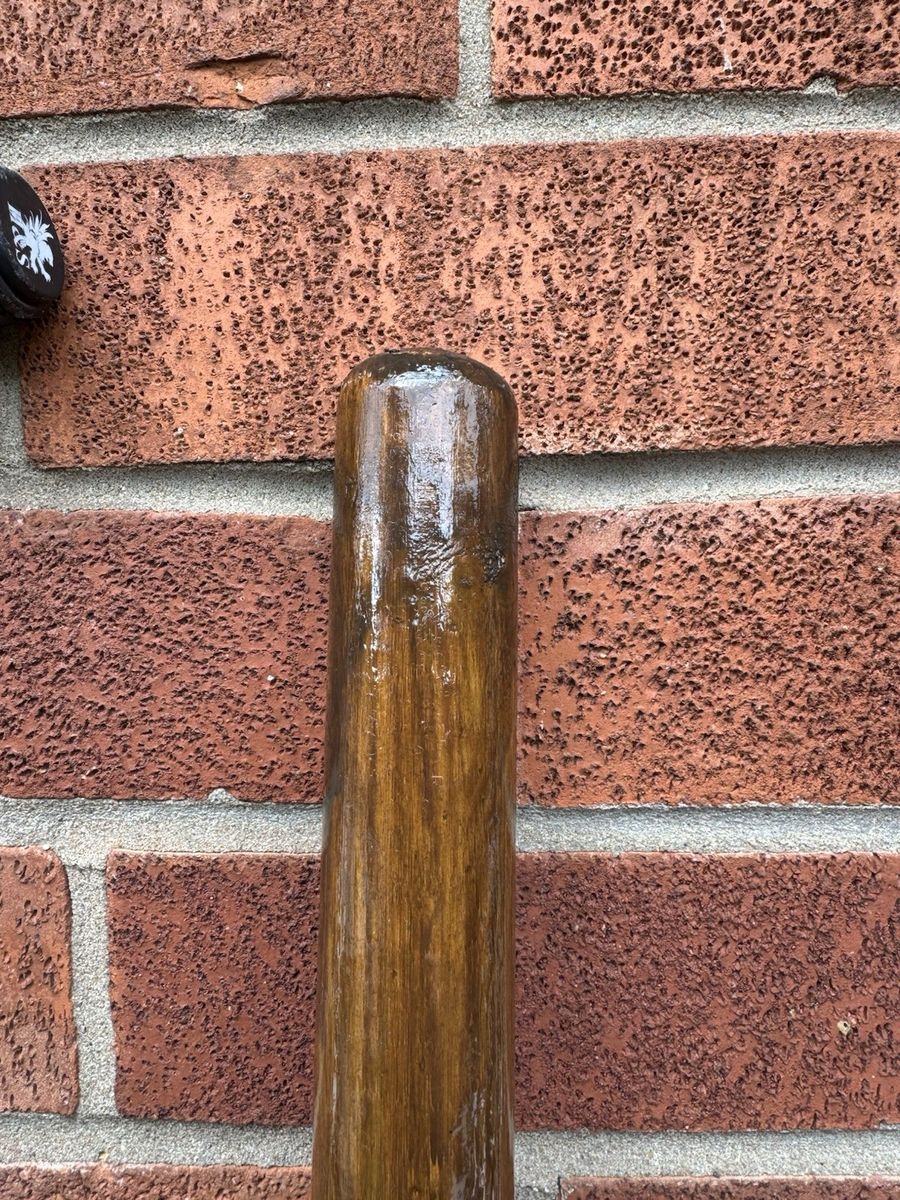
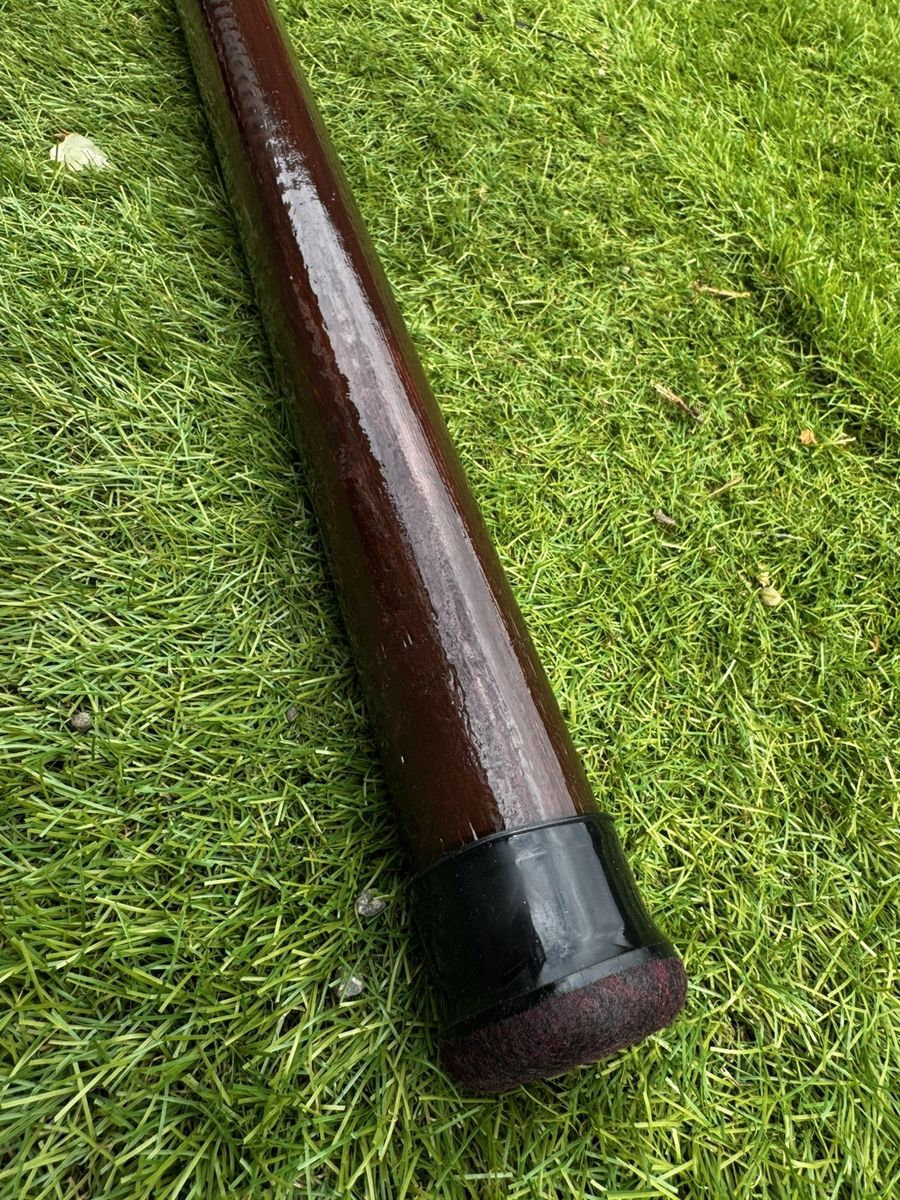
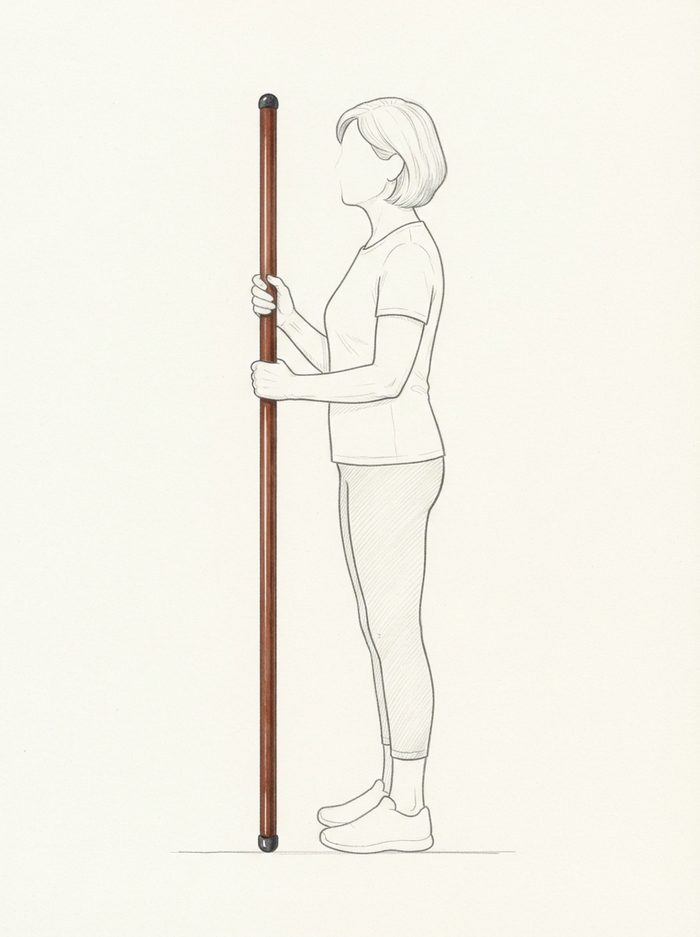
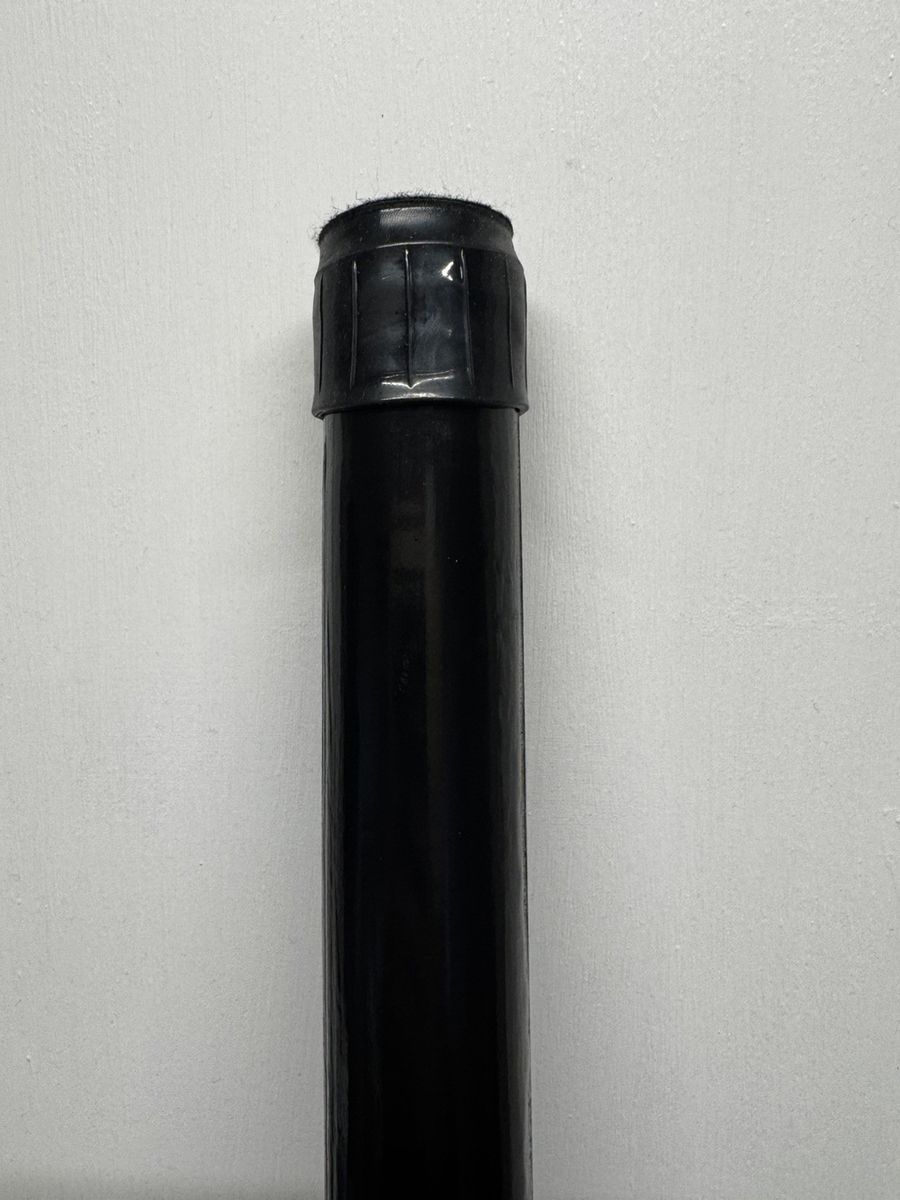
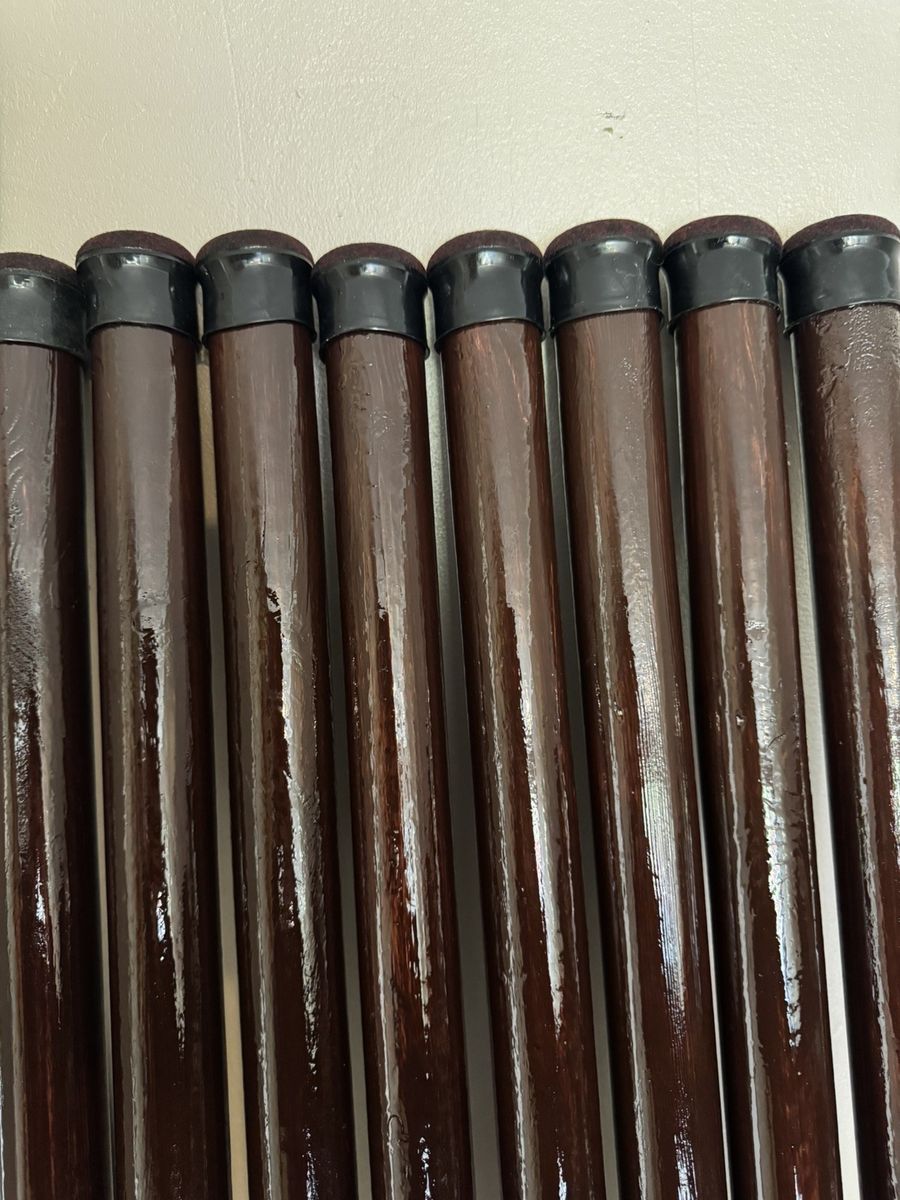
Stood upright, the top sits at about head height on someone around 5 ft 8 in. The varnish is left slightly grippy on purpose, rather than glassy, so it does not slide in the hands.
What it is for
Something to hold, something to reach with, something to steady yourself against. It works standing, sat in an ordinary kitchen chair, or lying on the floor — so it suits people at very different stages.
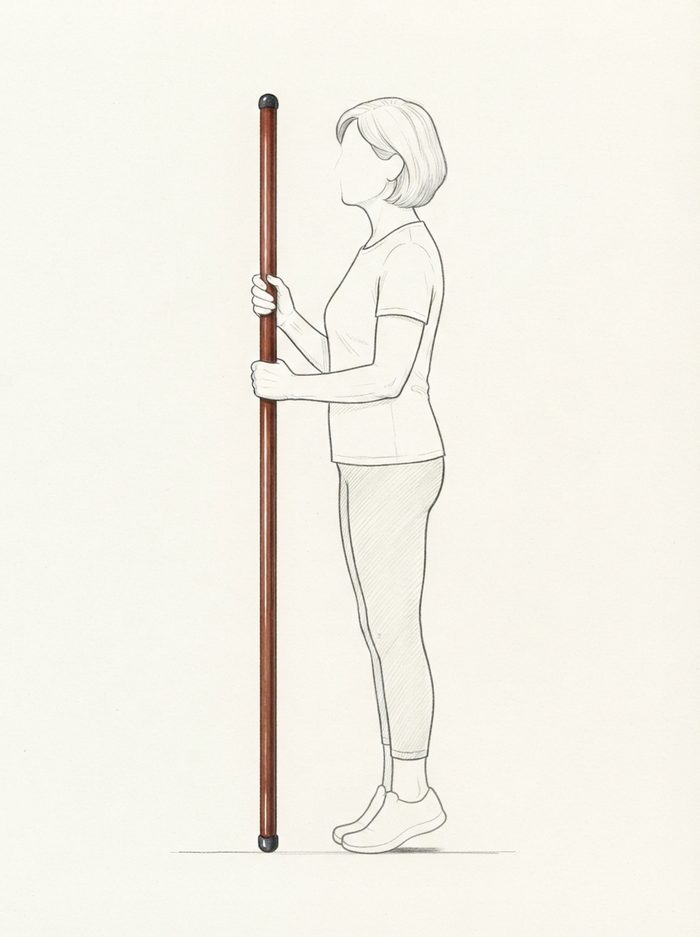
Standing tall
Heel raises
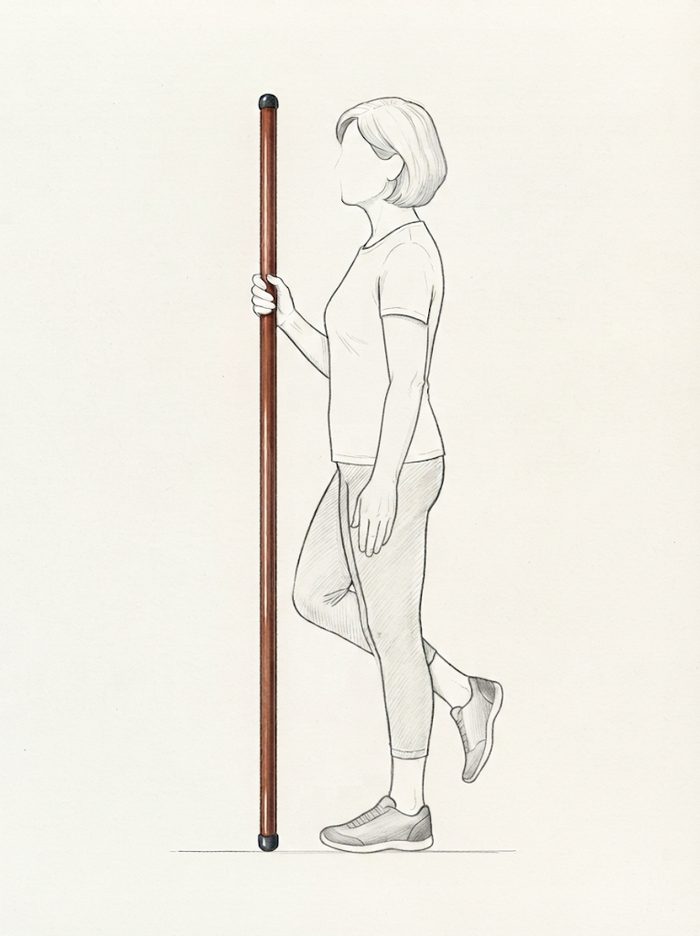
One leg
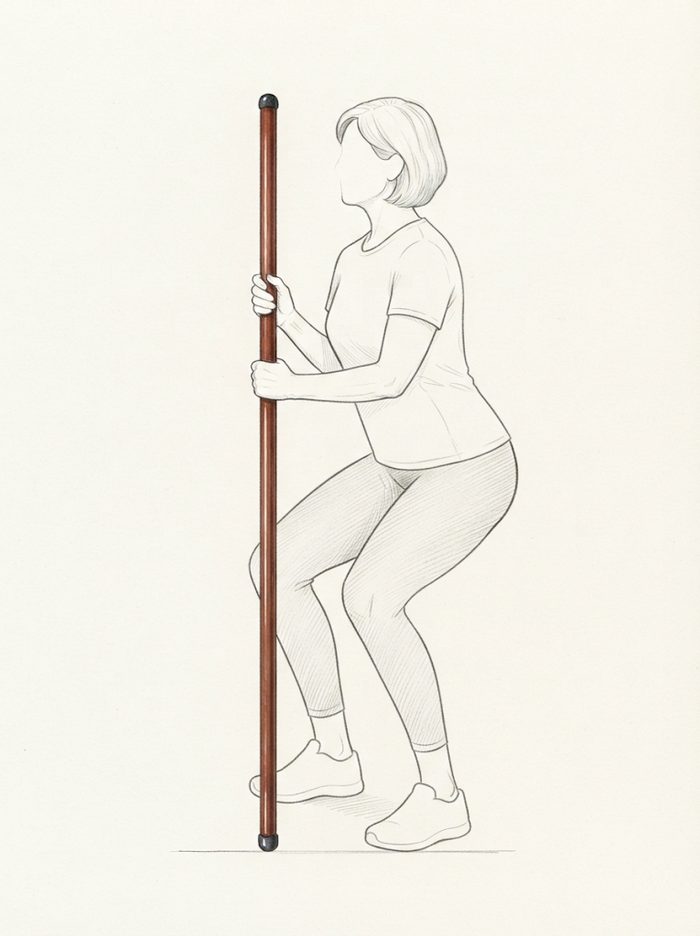
Supported squat
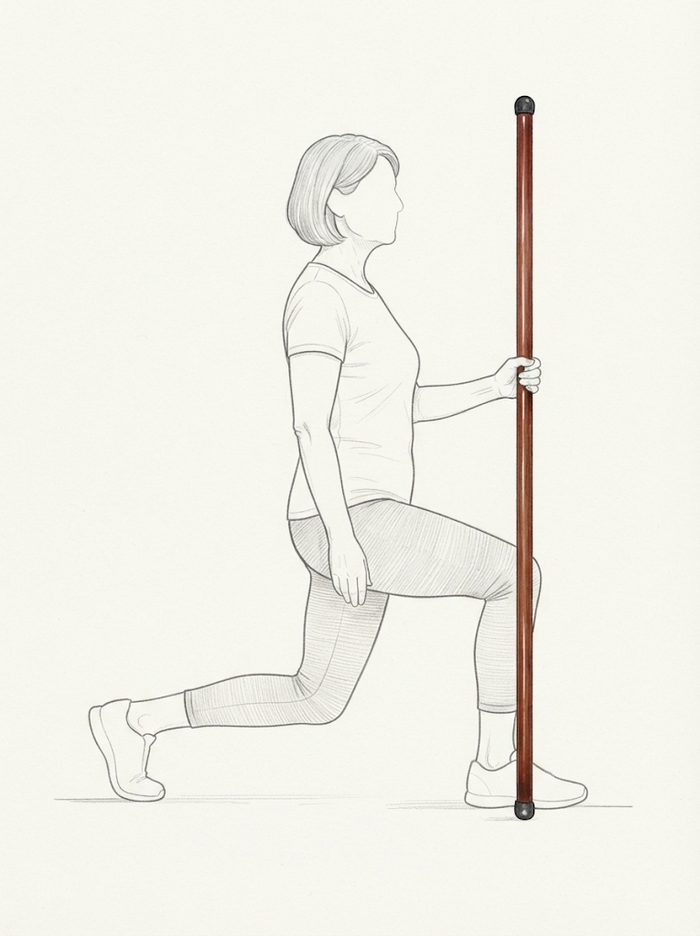
Supported lunge
Hamstrings
Hip opener
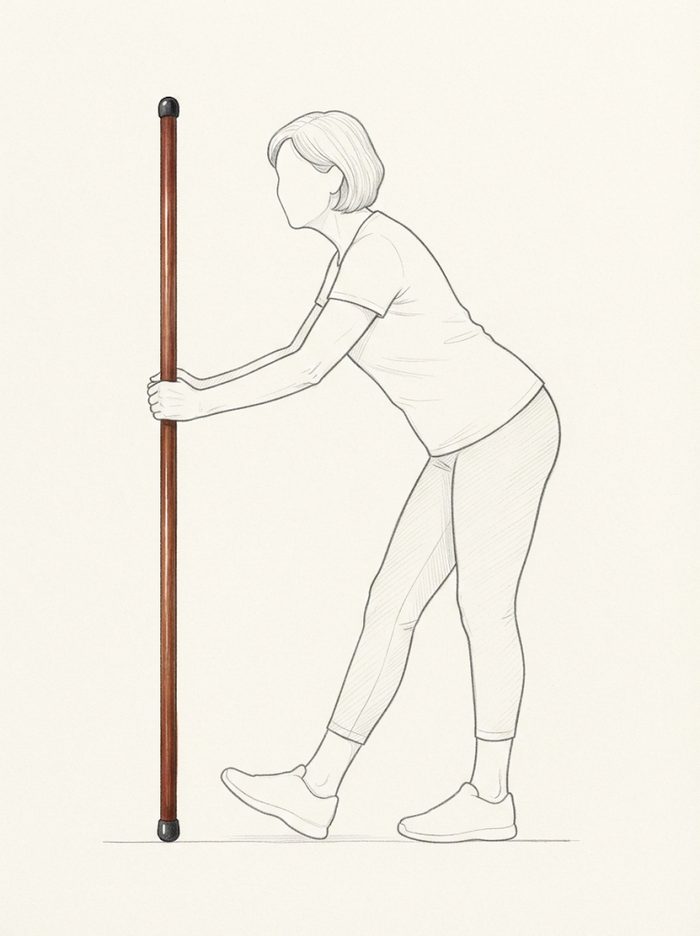
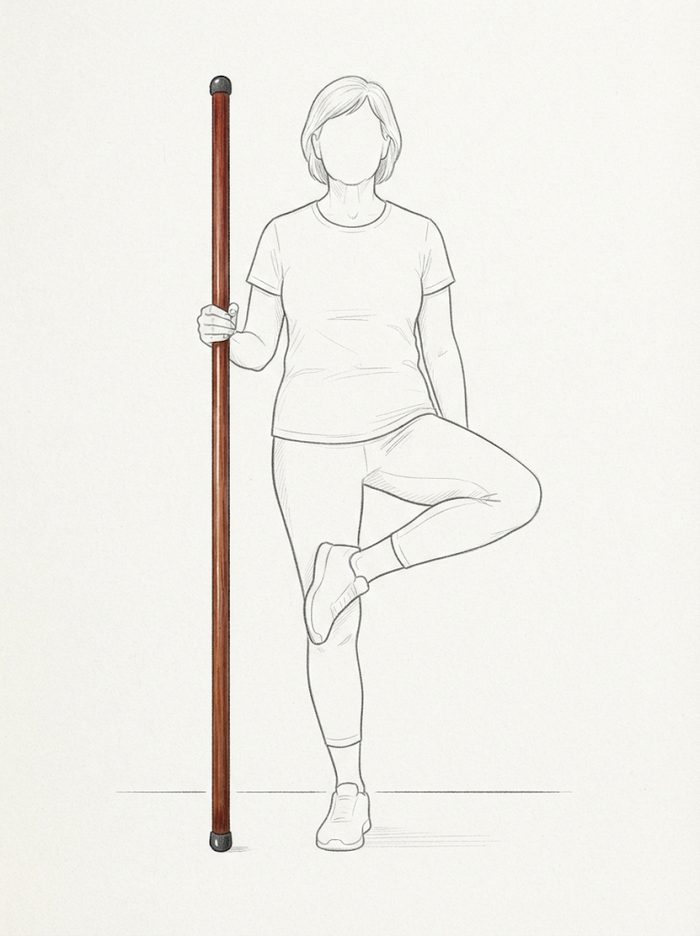
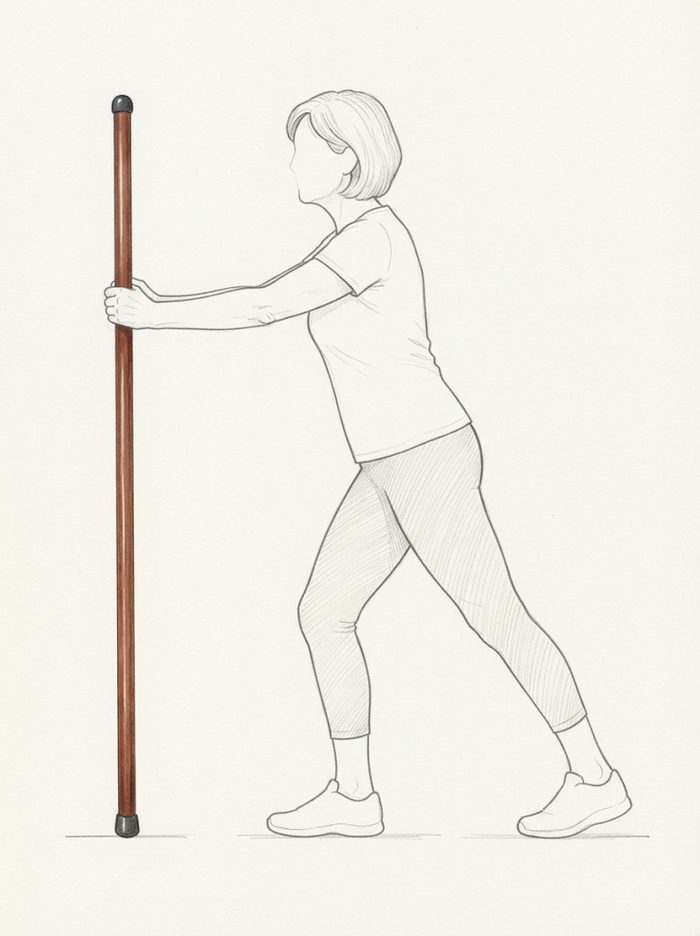
Calf stretchEight of the twenty-seven exercises in the illustrated guide that comes free in the box with every pole. These are illustrations, not photographs — made with an AI image tool and chosen by me, the same as in the book, where it is stated on the copyright page. Every photograph of a pole on this page is my own.
Why wood
Wood is warm to hold. It has a little give in it, and it does not slip in the hands the way metal does on a cold morning.
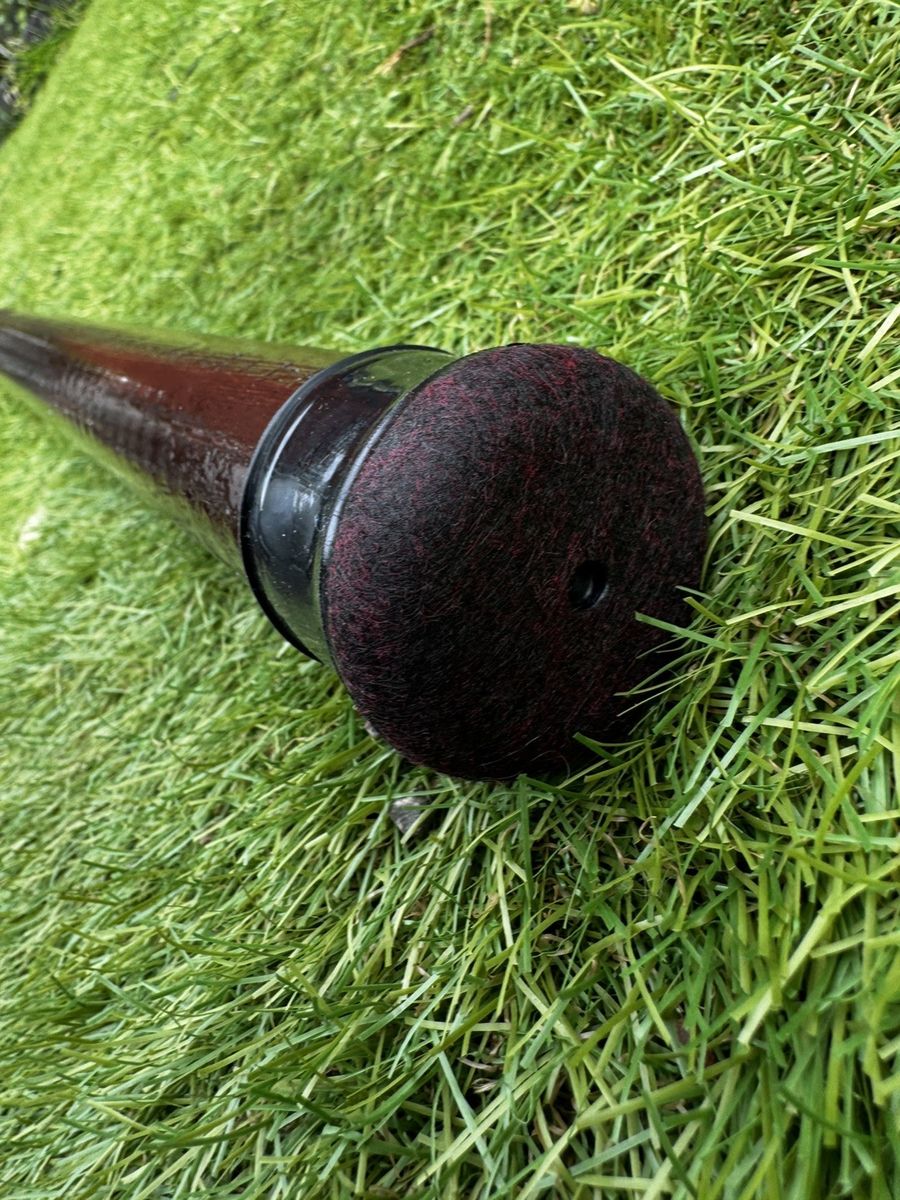
A one-piece pole has nothing to go wrong. No telescopic section to seize, no screw thread to work loose, no plastic collar to split. It is the same object in ten years as it is on the day it arrives.
The usual alternative screws together in the middle out of aluminium. It rattles, it works loose, and it is cold to pick up first thing.
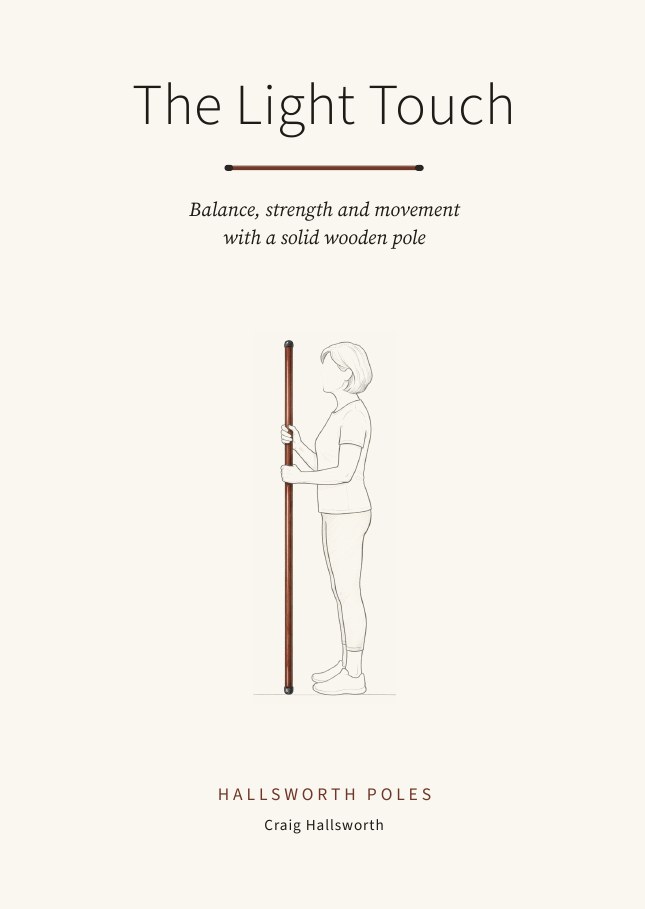
The book
Balance is the fitness measure most people never train — and one of the first things to go. 150 pages on getting it back.
27 exercises across standing balance, spine and rotation, hips and legs, and floor and seated work. Each one the same clear way: what it is for, how to set up, the movement, an easier option and a harder one.
Plus a chapter on breathing, the history of the pole as humanity's oldest tool, the research behind why this pole is shaped the way it is, ready-made routines, a six-week plan, and how to look after it.
No gym. No gimmicks. Just a straight piece of wood and twenty-seven honest ways to use it.
Prices
Every price includes tracked UK delivery.
One pole and a copy of The Light Touch, delivered. The book on its own is £18.
Two poles cost so much less than twice one for an honest reason: a pole is nearly six feet long, and the courier charges a fixed surcharge for the length of the parcel. That surcharge is charged once, whether there is one pole in the tube or four. The more that go to one address, the less each one costs.
Physiotherapists, Pilates teachers, care settings
On orders of five or more, delivered. Fitting out a treatment room, a class or a day room? Tell me how many and where they are going and I will confirm the carriage before you commit to anything.
Ordering
No checkout, on purpose. No card details go near a website, and nothing is taken until you have the invoice in front of you.
How many, where they are going, standard or black finish, and whether you want the book.
The price confirmed, including delivery. Same day.
Bank transfer, then out tracked within two working days.
Ring me on 07899 294169. If I am in the workshop I will not always hear it — leave a message or send a text and I will come straight back to you.
The practical bits
In a long tube, packed so the ends cannot work loose. Out within two working days of the invoice being paid.
Can be arranged and costs nothing — the cheapest way to buy one.
Tell me and send a photograph. It is a wooden pole in a cardboard tube and couriers are couriers. It has happened, and it gets put right.
14 days from the day it arrives to tell me, and 14 days after that to send it back. Return postage is yours unless it was faulty or wrongly sent.
Before you use it
For light support and balance only. Never put your full body weight on it. It is not a walking aid, a step or a ladder.
Check the pole over for splits or splinters before each use. Stop if you feel dizzy, and sit down.
If you have a health condition or a recent injury, speak to your GP or physiotherapist before starting.
Who makes them
“I have made these for years, and I use one myself. Mine is twenty-two years old and still as good as the day I made it.”
My name is Craig Hallsworth. I am a joiner by trade and have spent around twenty years in construction and site management. The poles are made in small batches, by me, in Stockport — shaped, sanded, varnished and checked before each one is packed.
If something is not right when it turns up, you are dealing with the person who made it, not a call centre.